The impact of effective WordPress SEO audits is evident through various real-world case studies. Businesses have experienced significant increases in traffic and user engagement after implementing targeted strategies.
For instance, an e-commerce platform saw a striking rise in organic visitors, while a local service provider improved its online presence dramatically.
These results highlight the value of structured audits. However, what specific strategies led to such transformations? Exploring these can provide deeper insights.
Why is a WordPress SEO audit essential for website success? A thorough SEO audit serves as a diagnostic tool, pinpointing strengths and weaknesses within a website's search engine optimization framework.
By identifying technical issues, content gaps, and user experience flaws, an audit provides actionable insights that can greatly enhance visibility and engagement.
Moreover, it helps businesses stay competitive in an ever-evolving digital landscape. Regular audits guarantee that websites comply with the latest SEO best practices and algorithm updates, preventing potential penalties from search engines.
Conducting an effective WordPress SEO audit requires a systematic approach that addresses various components of the website. First, a thorough assessment of on-page elements, including meta titles, descriptions, headers, and keyword usage, is essential. Utilizing tools like Google Search Console can help identify indexing issues and keyword performance.
Next, analyzing site structure and navigation guarantees that users and search engines can easily access content. Evaluating page load speed and mobile responsiveness is also vital, as these factors greatly impact user experience and rankings.
Additionally, an extensive backlink analysis will reveal the quality and relevance of incoming links, while content audits can highlight opportunities for optimization or updates. Finally, confirming proper implementation of schema markup can enhance visibility in search results. By employing these strategies, website owners can effectively pinpoint areas for improvement and drive better SEO performance.
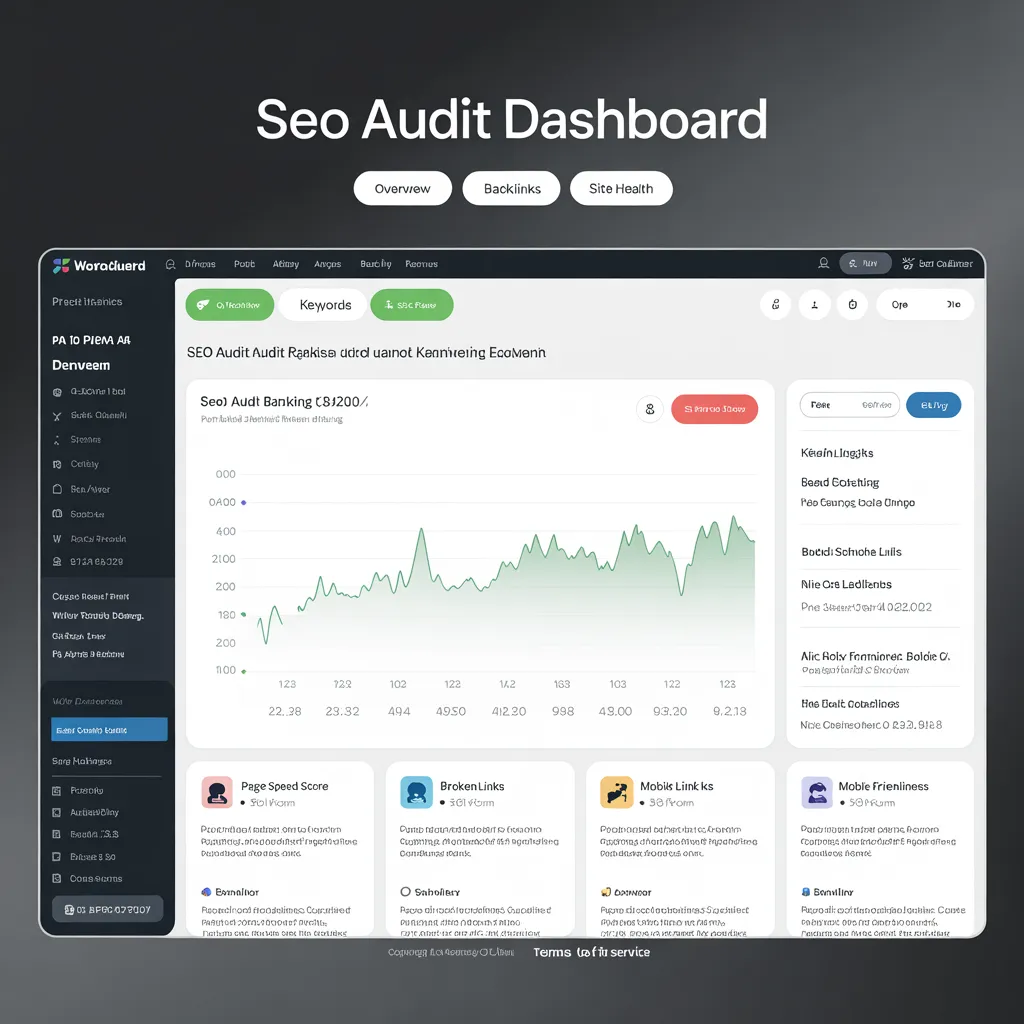
Numerous businesses have experienced significant traffic increases following thorough SEO audits that identify and address critical weaknesses. For example, an e-commerce site saw a 150% rise in organic traffic within three months after optimizing keyword strategies and improving on-page SEO.
Another case involved a local service provider, which reported a 200% increase in website visitors after refining their metadata and enhancing local SEO tactics. These measurable outcomes demonstrate the direct impact of focused SEO audits on web traffic.
By prioritizing actionable insights and implementing strategic changes, businesses can effectively enhance their online visibility. Ultimately, these case studies highlight the value of extensive SEO audits in driving measurable traffic growth and achieving long-term success.
Following measurable traffic increases, enhanced site performance stands out as another significant benefit of thorough SEO audits. In various case studies, businesses have reported substantial improvements in site speed and responsiveness after implementing recommended changes.
One notable example involved a retail website that, post-audit, increased its loading speed by 50%. This enhancement not only improved user experience but also positively impacted its search engine rankings. Another case highlighted a blog that optimized its images and leveraged caching techniques, resulting in a 40% decrease in bounce rates.
These real-world examples illustrate how targeted SEO audits can effectively boost site performance, leading to greater user engagement and overall satisfaction. Enhanced site performance is therefore a critical outcome of systematic SEO evaluation.

Enhancing website traffic and improving search engine rankings are primary objectives for any business seeking online visibility. Successful WordPress SEO audit services have consistently demonstrated their ability to achieve these goals.
By implementing targeted strategies, such as optimizing content for relevant keywords and improving site architecture, businesses have seen significant increases in both organic traffic and search rankings. For instance, after an extensive audit, one e-commerce site reported a 50% boost in organic traffic within three months.
Similarly, a blog focused on digital marketing experienced a climb from the third page to the first page of search results for competitive keywords, resulting in a notable uptick in visitor engagement. These improvements not only enhance visibility but also lead to higher conversion rates, illustrating the tangible benefits of professional SEO audits. Ultimately, the evidence supports the effectiveness of structured SEO strategies in driving measurable traffic and ranking enhancements.
Numerous audits have revealed critical insights that can greatly enhance WordPress SEO strategies. One significant finding is the importance of site speed; faster loading times directly correlate with improved user experience and higher search rankings.
Additionally, optimizing images and using proper alt tags emerged as essential for both accessibility and search visibility. The audits also highlighted the value of structured data, which can enhance search engine understanding of content.
Content quality and keyword relevance were consistently noted as pivotal factors; sites that regularly updated their content saw better engagement and ranking outcomes. Finally, the role of mobile optimization became evident, as a growing number of users access sites via mobile devices, underscoring the need for responsive design in SEO efforts.
A typical SEO audit can take anywhere from a few hours to several days, depending on the website's size and complexity. Smaller sites might be assessed in a few hours, while larger, more intricate sites could require a week or more. Factors influencing the duration include the depth of analysis, the number of pages, and the specific SEO aspects being evaluated. Ultimately, thoroughness is essential for effective results.
For DIY WordPress SEO audits, several tools stand out. Google Search Console provides essential insights into website performance and indexing issues. SEMrush offers an extensive suite for keyword analysis and competitor research. Yoast SEO is invaluable for on-page optimization, while Screaming Frog can crawl the site to identify technical issues. Additionally, Ahrefs aids in backlink analysis and content optimization, making these tools effective for anyone looking to conduct a thorough SEO audit independently.
SEO audits are suitable for all website types, regardless of size or industry. They offer valuable insights into performance, user experience, and search engine optimization. E-commerce sites benefit from audits to enhance product visibility, while blogs can improve content strategy. Even small business websites gain from understanding their online presence. Ultimately, an SEO audit helps any website identify strengths and weaknesses, paving the way for improved rankings and user engagement.