DIY rooflight installation presents a practical way to enhance a home's ambiance and energy efficiency. Proper planning and execution are critical for success.
Homeowners must consider various types of rooflights and assess their roof structures carefully. Gathering the right tools and materials is essential.
However, the installation process can be intricate, and overlooking certain details may lead to issues down the line. Understanding these nuances can make all the difference in achieving a seamless project.
When considering rooflight installation, it is essential to understand the various types available, as each option offers distinct advantages and functions. Rooflights generally fall into two main categories: fixed and vented. Fixed rooflights provide natural light without the option for ventilation, making them ideal for spaces where airflow is not a priority.
These units are often designed for aesthetic appeal and energy efficiency. On the other hand, vented rooflights can be opened to allow fresh air circulation, making them suitable for areas that require ventilation, such as kitchens or bathrooms. Additionally, rooflights can be flat or domed, with the choice impacting both the aesthetic and functional aspects of the installation.
Another consideration is the glazing type, which influences thermal performance and light transmission. Understanding these options enables homeowners to select the most appropriate rooflight for their specific needs and preferences, enhancing both the environment and energy efficiency of their space.
A thorough assessment of the roof structure is essential before proceeding with a rooflight installation. Homeowners should begin by examining the type of roofing material and the overall condition of the roof. This includes checking for any signs of damage, such as cracks, leaks, or weakened supports, which could compromise the integrity of the installation.
It's also important to determine the roof pitch and dimensions, as these factors will influence the design and placement of the rooflight. Additionally, evaluating the underlying structure, such as rafters or trusses, is critical to guarantee they can support the added weight and stress from the rooflight.
Homeowners should also consider local building codes and regulations that may impact the installation process. By conducting a thorough evaluation, individuals can identify potential challenges and guarantee a safer, more effective installation of their chosen rooflight.
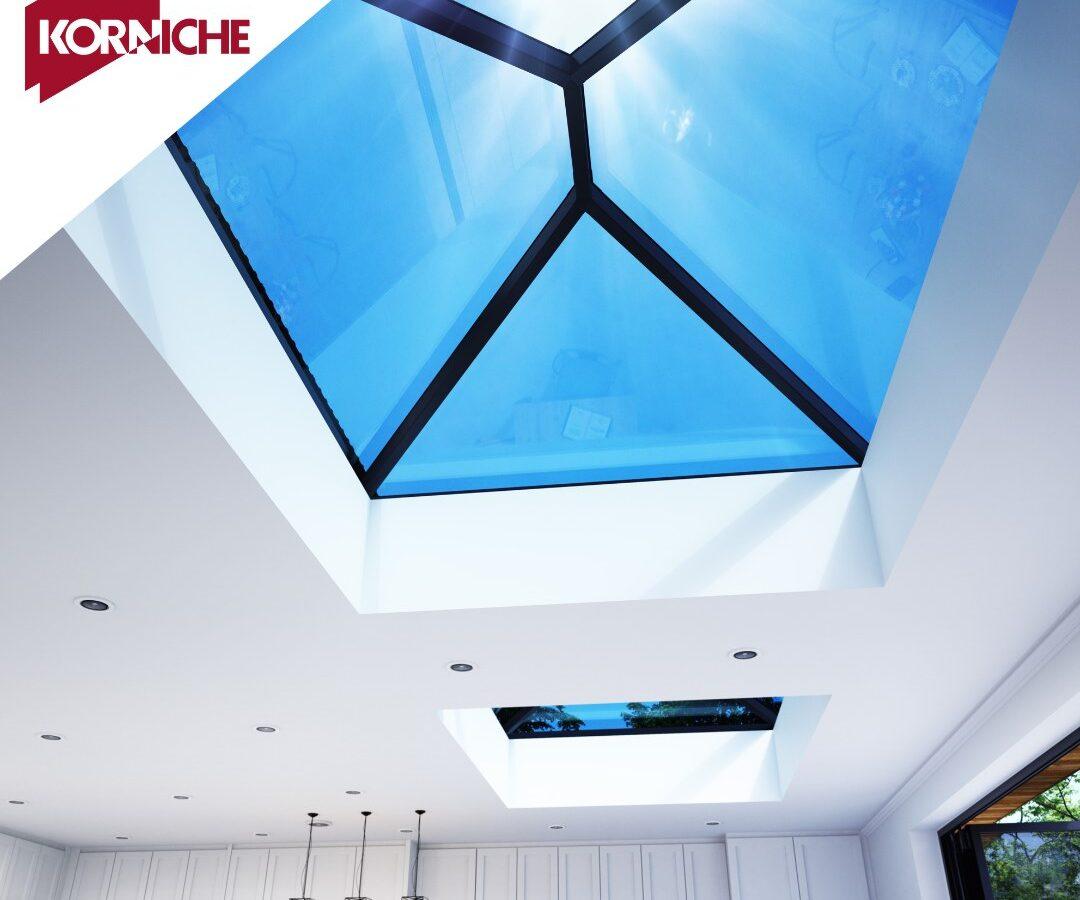
Before proceeding with the installation of a rooflight, it is essential to thoroughly assess the roof structure to confirm stability and compatibility. This evaluation begins with inspecting the roof's framing, making certain it can support the additional weight of the rooflight.
Homeowners should check for any signs of damage or deterioration, such as rot or water leaks, which could compromise the installation. It is also important to evaluate the pitch and orientation of the roof, as these factors influence drainage and sunlight exposure.
Additionally, local building codes and regulations must be reviewed to verify compliance. By conducting a detailed assessment, individuals can identify potential challenges and ensure a successful rooflight installation that enhances both aesthetics and functionality.
Selecting the appropriate materials is essential for a successful rooflight installation. The choice of materials impacts not only the aesthetic appeal but also the durability and energy efficiency of the rooflight. High-quality glazing options, such as double or triple-glazed glass, provide better insulation and reduce heat loss.
The frame material is equally important; options like aluminum or PVC offer strength and resistance to weather elements. Additionally, choosing appropriate flashing and sealants guarantees water tightness, preventing leaks.
It is also advisable to take into account the local climate and the specific requirements of the roof structure. By carefully selecting materials tailored to the project's needs, one can enhance both the performance and longevity of the rooflight installation.

Obtaining the necessary permits is a critical step in the rooflight installation process. Before commencing any installation, homeowners must check local building codes and regulations, as requirements can vary greatly by location. Typically, permits guarantee that the construction meets safety standards and zoning laws.
To obtain these permits, individuals should contact their local building authority or planning department, providing details about the proposed installation, including dimensions and structural considerations. Some jurisdictions may require a site plan or architectural drawings.
It is important to factor in the time needed for permit approval, as delays can impact project timelines. Failing to secure the appropriate permits can result in fines or the need to remove the installation, making this step essential for a successful project.
A thorough list of tools and materials is vital for a successful rooflight installation. Homeowners should begin by gathering basic tools such as a measuring tape, level, utility knife, and drill. Safety equipment, including goggles and gloves, is also essential to guarantee protection during the installation process.
Materials needed typically include the rooflight unit, flashing, sealant, and appropriate roofing materials to match the existing structure. It is advisable to have spare screws and nails on hand, as these can be easily misplaced during the project. Additionally, a sturdy ladder will facilitate access to the roof, making the installation more manageable.
Before starting, one should verify that all materials are compatible with the roof type and climate conditions. Proper preparation will streamline the installation process and contribute to a final result that is both functional and aesthetically pleasing.
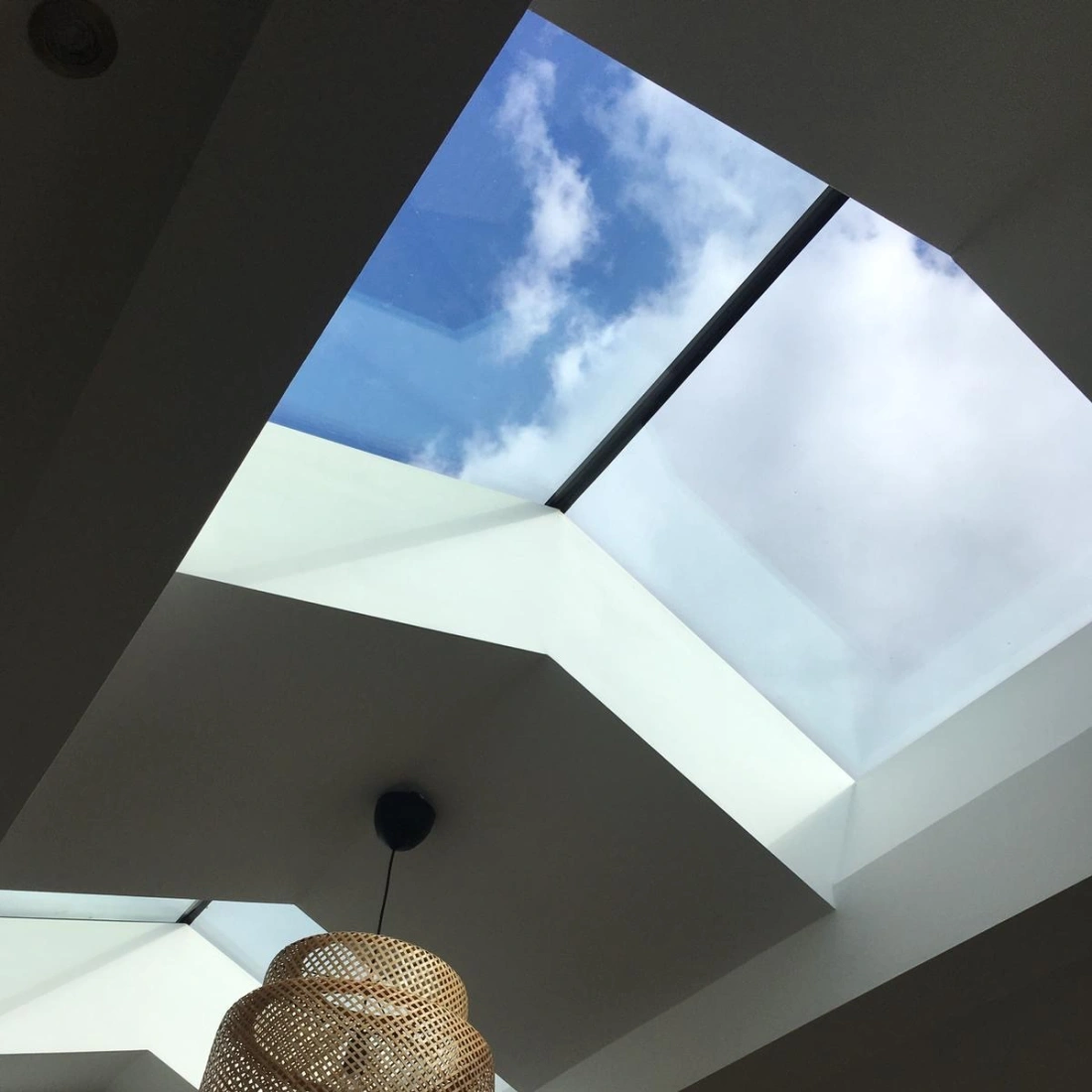
Smart skylights require regular cleaning to maintain clarity, periodic checks of sensors and motors for functionality, and software updates to guarantee peak performance. Inspections should also assess sealing and drainage to prevent leaks and damage.
While installing rooflights oneself is possible, it requires specific skills and knowledge of building regulations. A professional installation is often recommended to guarantee proper sealing, structural integrity, and adherence to safety standards for peak performance.
The cost implications of installing innovative rooflight designs can vary considerably. Factors include materials, installation complexity, and energy efficiency benefits, which may offset initial expenses over time by reducing heating and lighting costs.