Electric rooflights represent a significant advancement in architectural design, merging functionality with aesthetics. By harnessing natural light, these installations not only improve the ambiance of indoor spaces but also contribute to energy efficiency.
This dual benefit is essential in today's environmentally conscious world. As more people seek sustainable solutions, the implications of integrating electric rooflights into various settings warrant a closer examination.
What factors should be considered when choosing the right system?
Electric rooflights represent a modern solution for enhancing natural light in indoor spaces. These innovative installations utilize a combination of glass panels and advanced technology to allow sunlight to penetrate effectively.
Typically, they are designed with motorized mechanisms that enable users to open or close the rooflight at their convenience, optimizing light intake and ventilation. Equipped with sensors, electric rooflights can automatically adjust to external conditions, maintaining an ideal indoor environment.
Their integration into building designs promotes energy efficiency by reducing reliance on artificial lighting. Electric rooflights are an effective way to transform spaces, aligning aesthetics with functionality in contemporary architecture.
Maximizing natural light in a space offers numerous advantages that extend beyond mere aesthetics. Enhanced daylight can improve mood and productivity, fostering a more positive and invigorating environment.
Additionally, exposure to natural light has been linked to better health outcomes, such as improved sleep patterns and reduced eye strain. Spaces filled with light can also appear larger and more welcoming, contributing to an overall sense of well-being.
Moreover, natural light can reduce reliance on artificial lighting, creating a more inviting atmosphere while promoting a connection to the outdoors. Embracing natural light ultimately enriches the living and working experience.
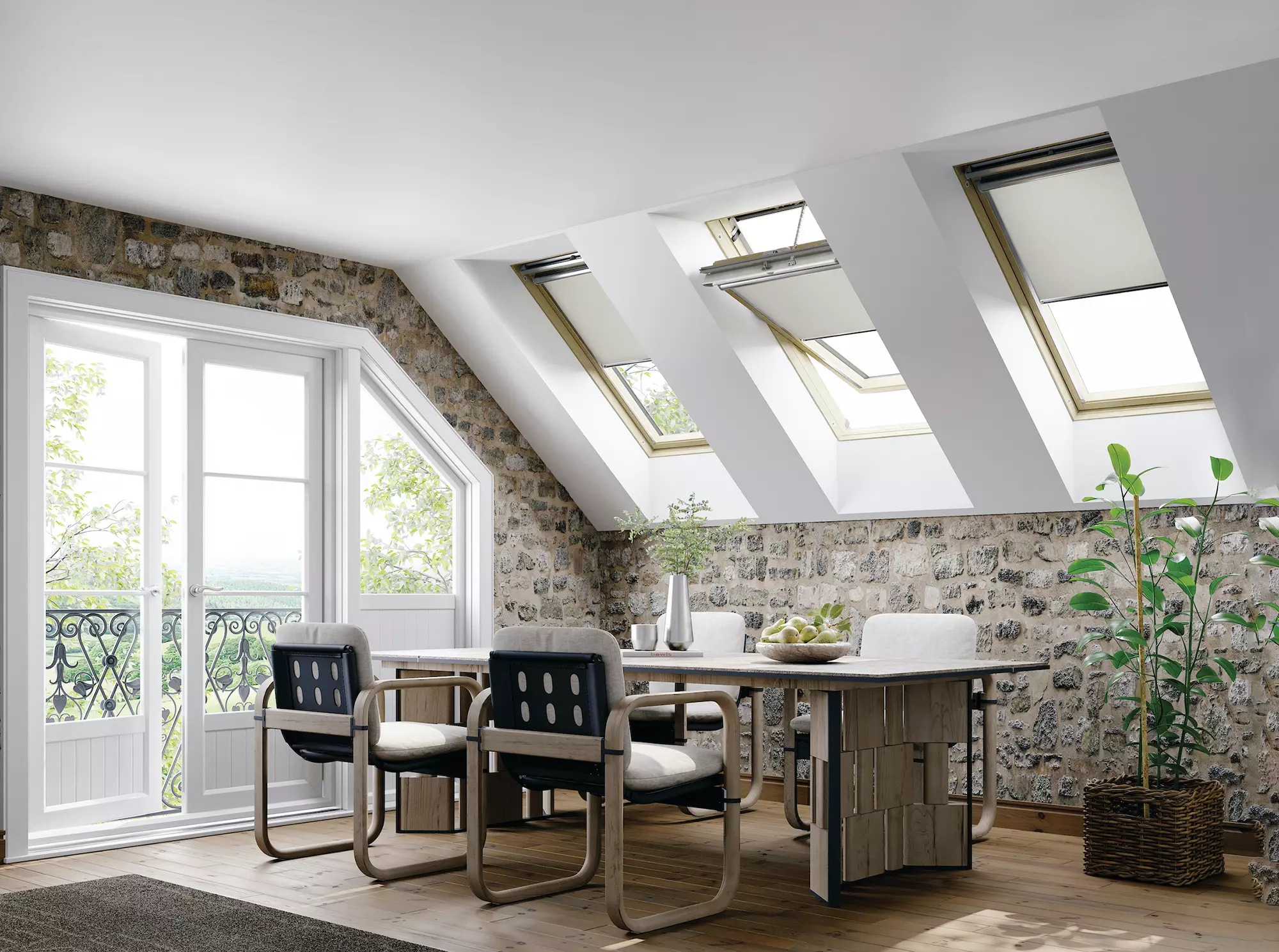
As homeowners and businesses increasingly prioritize sustainability, incorporating energy-efficient solutions like electric rooflights can markedly reduce their carbon footprint. These rooflights harness natural sunlight, decreasing reliance on artificial lighting and lowering energy consumption.
By optimizing daylight use, they promote a more sustainable environment while enhancing indoor comfort. Additionally, modern electric rooflights often feature advanced technologies, such as automated shading systems, which further enhance energy efficiency by regulating temperature and minimizing heating and cooling demands.
Ultimately, the integration of electric rooflights represents a proactive step toward reducing greenhouse gas emissions, aligning with global efforts to combat climate change and promote ecological responsibility.
How can one determine the best electric rooflight for their space? To begin with, it is essential to assess the room's size and layout, ensuring the rooflight complements the architecture.
Next, consider the desired level of natural light and ventilation, as different models offer varying features. Energy efficiency ratings should be examined to align with sustainability goals. Additionally, the rooflight's style and finish must match the interior design aesthetic.
Finally, budget constraints will influence choices, leading one to evaluate both initial costs and long-term energy savings. A careful consideration of these factors will guide individuals to the ideal electric rooflight solution.
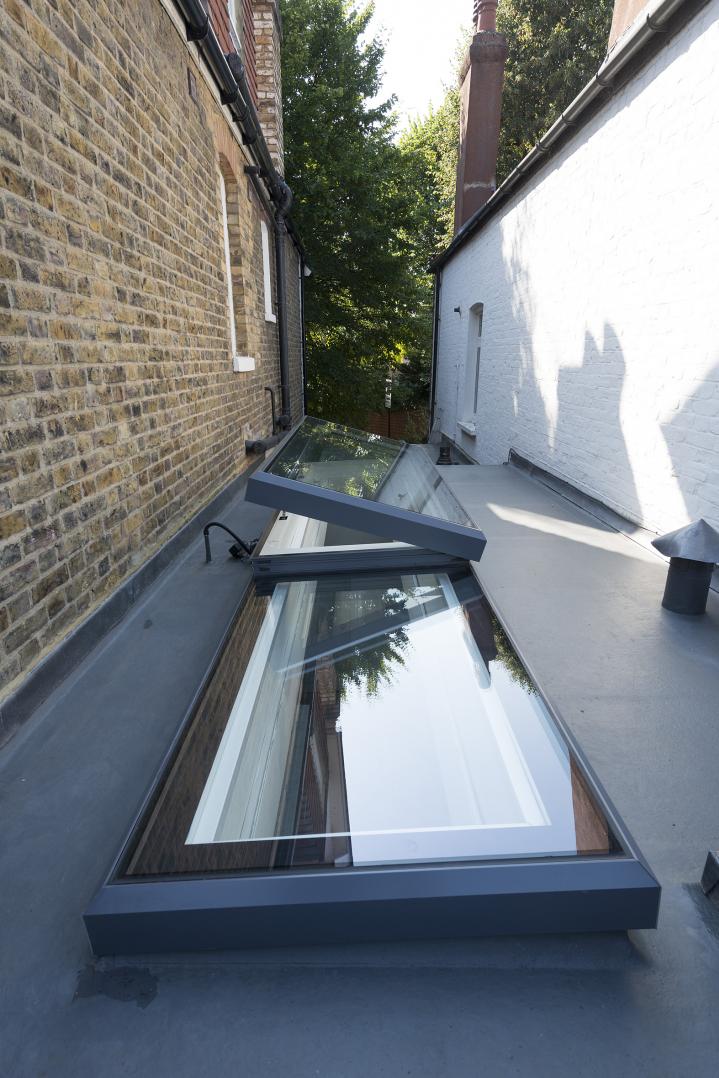
The installation of electric rooflights requires careful planning and execution to guarantee peak performance and safety. First, it is important to assess the structural integrity of the roof and ascertain compliance with local building regulations.
Proper placement is essential to maximize natural light while minimizing heat loss. Professional installation is recommended to handle electrical wiring safely and effectively. Additionally, consideration should be given to insulation and weatherproofing to prevent leaks and energy inefficiency.
Adequate maintenance access must also be incorporated into the design to secure longevity and functionality, making the installation process critical for ideal performance and energy efficiency.
Successful installation of electric rooflights often leads to remarkable transformations in residential and commercial spaces. One case study highlighted a London café, where the addition of rooflights increased natural light, enhancing the ambiance and attracting more customers.
Another success story involved a family home in the countryside; electric rooflights improved energy efficiency and provided stunning views of the landscape. In both instances, the integration of these solutions not only elevated aesthetic appeal but also contributed to lower energy bills.
These examples illustrate the potential of electric rooflights to redefine environments and create inviting, sustainable spaces.
Electric rooflights require regular maintenance to guarantee peak performance. This includes cleaning the glass surfaces to remove dirt and debris, inspecting seals and gaskets for wear, and checking the electrical components for functionality. Additionally, lubricating moving parts is essential to prevent mechanical issues. It is also advisable to schedule a professional inspection annually to address any potential problems and prolong the lifespan of the rooflights. Regular upkeep enhances both safety and efficiency.
Electric rooflights require regular maintenance to guarantee proper functionality and longevity. This includes cleaning the glass and frame to prevent debris accumulation, checking seals for leaks, and inspecting the electrical components for any signs of wear or damage. Additionally, periodic lubrication of moving parts is necessary to facilitate smooth operation. Homeowners should also monitor for any condensation buildup, which may indicate ventilation issues that need to be addressed promptly. Regular professional servicing can enhance performance.
The average lifespan of electric rooflights typically ranges from 15 to 25 years, depending on the quality of materials and installation. Factors such as exposure to the elements, maintenance, and usage patterns can influence their durability. High-quality models often feature robust components designed to withstand various weather conditions, extending their operational life. Regular maintenance, including cleaning and checking for wear, can further enhance their longevity and performance in residential settings.