Natural bed bug treatment solutions provide effective alternatives to chemical pesticides. Many individuals seek safer methods to manage these pests in their homes.
Essential oils, heat treatments, and natural desiccants like diatomaceous earth offer promising results. These approaches not only target bed bugs but also promote a healthier living environment.
Understanding how these methods work and implementing preventive measures can play a significant role in keeping infestations at bay. What strategies can truly make a difference?
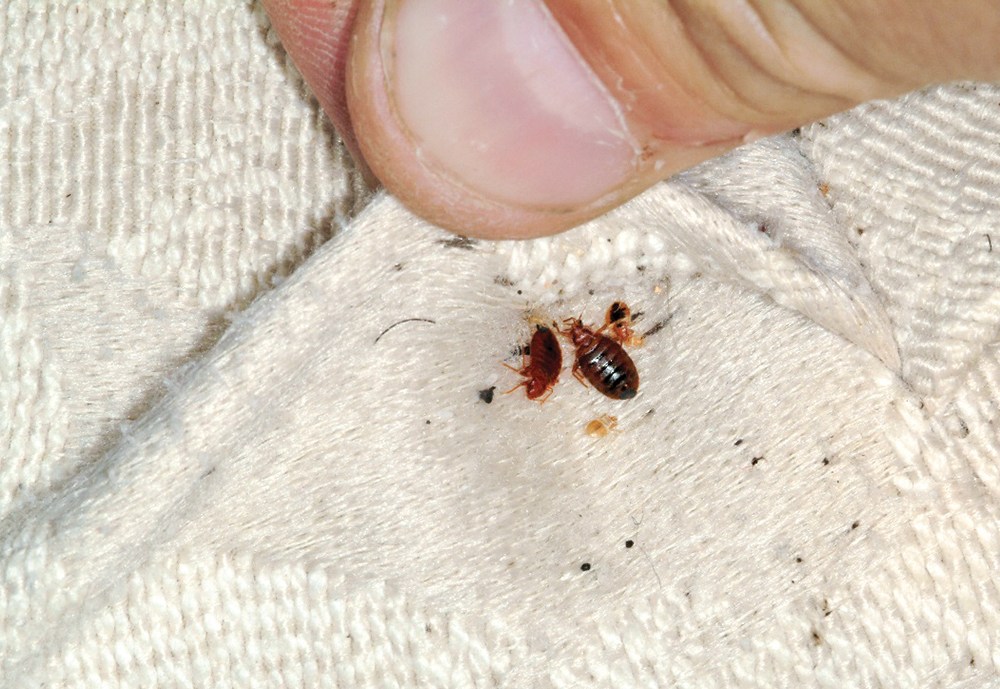
Although bed bugs are often associated with unclean environments, they can thrive in any setting where humans sleep. These small, reddish-brown insects are about the size of an apple seed and are nocturnal, feeding primarily on human blood.
Their flat bodies allow them to hide easily in cracks and crevices, making identification challenging. Bed bugs are known for their ability to reproduce rapidly, and a single female can lay hundreds of eggs in her lifetime.
Understanding their behavior, including their preference for warm hosts and their resistance to certain pest control methods, is essential for effective management and eradication.
Finding effective solutions to combat bed bugs can be challenging, leading many to explore natural alternatives.
Essential oils have gained popularity for their pest-repelling properties.
Oils such as lavender, tea tree, and peppermint not only deter bed bugs but also provide pleasant aromas.
Heat treatment emerges as a formidable strategy in the battle against bed bugs, effectively eliminating these pests without the use of chemicals.
This method involves raising the temperature of infested areas to levels lethal to bed bugs, typically between 118°F and 122°F. Such temperatures can kill all life stages, from eggs to adults, within a short duration.
Professional heat treatment services utilize specialized equipment to guarantee even heat distribution, reaching all hiding spots. Furthermore, this approach not only targets bed bugs but also minimizes the risk of chemical exposure to humans and pets, making it a safe and efficient solution.
In addition to heat treatment, diatomaceous earth offers a natural and effective approach to combatting bed bugs. This fine, powdery substance consists of crushed fossilized algae, known for its desiccating properties.
When bed bugs come into contact with diatomaceous earth, it penetrates their exoskeletons, causing them to dehydrate and eventually perish. Safe for humans and pets, this non-toxic solution can be sprinkled in areas where bed bugs are suspected, such as along baseboards, carpets, and bed frames.
However, it is crucial to use food-grade diatomaceous earth to guarantee safety while effectively reducing bed bug populations in infested environments.
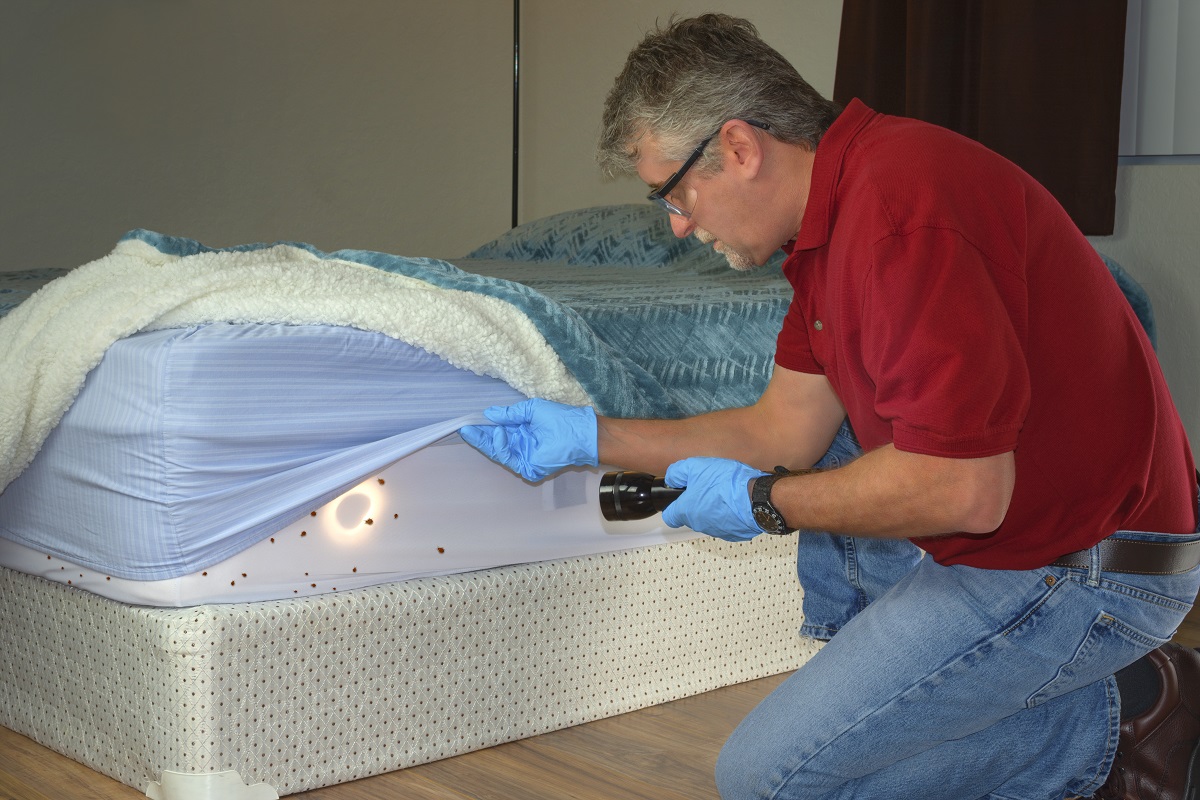
Vacuuming and steam cleaning emerge as powerful allies in the battle against bed bugs. Regular vacuuming can effectively remove adult bed bugs, nymphs, and eggs from various surfaces, including carpets, upholstery, and mattresses.
It is essential to use a vacuum equipped with a HEPA filter to trap these pests effectively. Following vacuuming, steam cleaning provides an additional layer of defense. Steam at temperatures above 120°F kills bed bugs on contact, making it ideal for treating hard-to-reach areas.
This combination of techniques not only reduces the existing population but also enhances overall cleanliness, creating an inhospitable environment for bed bugs.
Maintaining a clean living environment is essential for preventing bed bug infestations. Regularly washing bedding and clothing in hot water, coupled with thorough drying, can eliminate hidden pests.
Decluttering spaces reduces hiding spots, making it easier to spot any potential infestations early. Inspecting second-hand furniture and luggage before bringing them home is vital, as these items may harbor bed bugs. Sealing cracks and crevices in walls and floors can help limit their movement.
Additionally, using bed bug-proof mattress encasements adds an extra layer of protection. By implementing these preventive measures, individuals can greatly reduce the risk of bed bug invasions.
Bed bugs can survive without feeding for approximately 2 to 6 months, depending on environmental conditions. In cooler temperatures, their metabolism slows, allowing them to endure longer periods without a meal. Conversely, warmer conditions may shorten their survival time. Adult bed bugs are more resilient than nymphs, which require more frequent feeding. Overall, their ability to withstand starvation contributes to the challenges of eradicating these pests from infested areas.
Traveling without bringing bed bugs home is possible with careful precautions. Individuals should inspect hotel rooms upon arrival, check luggage for any signs of bed bugs, and keep belongings elevated off the floor. It is advisable to wash clothes in hot water immediately after returning home and to vacuum suitcases before storing them. By being vigilant and taking these preventive measures, travelers can greatly reduce the risk of introducing bed bugs into their homes.
Bed bugs do not transmit diseases to humans. While they are capable of causing discomfort through their bites, which can lead to itching and secondary infections, there is no evidence to suggest that these pests carry or spread any pathogens. Their primary impact is psychological distress and disrupted sleep patterns rather than physical illness. Effective management focuses on eliminating infestations rather than addressing concerns about disease transmission, which is not a risk associated with bed bugs.