Effective pest control solutions are essential for maintaining a comfortable living environment. Understanding the nature of common household pests can inform better prevention strategies.
Regular inspections and proper sanitation play significant roles in keeping these nuisances at bay. However, many homeowners overlook the importance of combining natural remedies with traditional methods.
As pest issues arise, knowing when to seek professional help becomes imperative. The following sections will explore these strategies in detail.
Households often encounter a variety of common pests that can disrupt daily life and pose health risks. Among these, ants, roaches, rodents, and termites frequently invade homes, each bringing unique challenges. Ants, often foraging for food, can become numerous quickly.
Cockroaches are notorious for spreading diseases, while rodents can damage property and contaminate food sources. Termites silently compromise structural integrity, leading to costly repairs.
Identifying these pests is essential for effective control. Understanding their habits and habitats enables homeowners to recognize signs of infestations, making it easier to address problems before they escalate into significant issues.
Although pests can seem inevitable, implementing preventative measures can greatly reduce their likelihood of infesting a home. Regularly inspecting the property for cracks and gaps helps seal entry points. Keeping the living environment clean, especially in kitchens, discourages pests by eliminating food sources.
Properly storing food in airtight containers further minimizes attraction. Maintaining a dry atmosphere by fixing leaks and using dehumidifiers reduces the risk of moisture-loving pests.
Additionally, yard maintenance, such as trimming bushes and removing standing water, can deter outdoor pests from migrating indoors. These proactive strategies create a less inviting environment for unwanted intruders, ensuring a pest-free home.
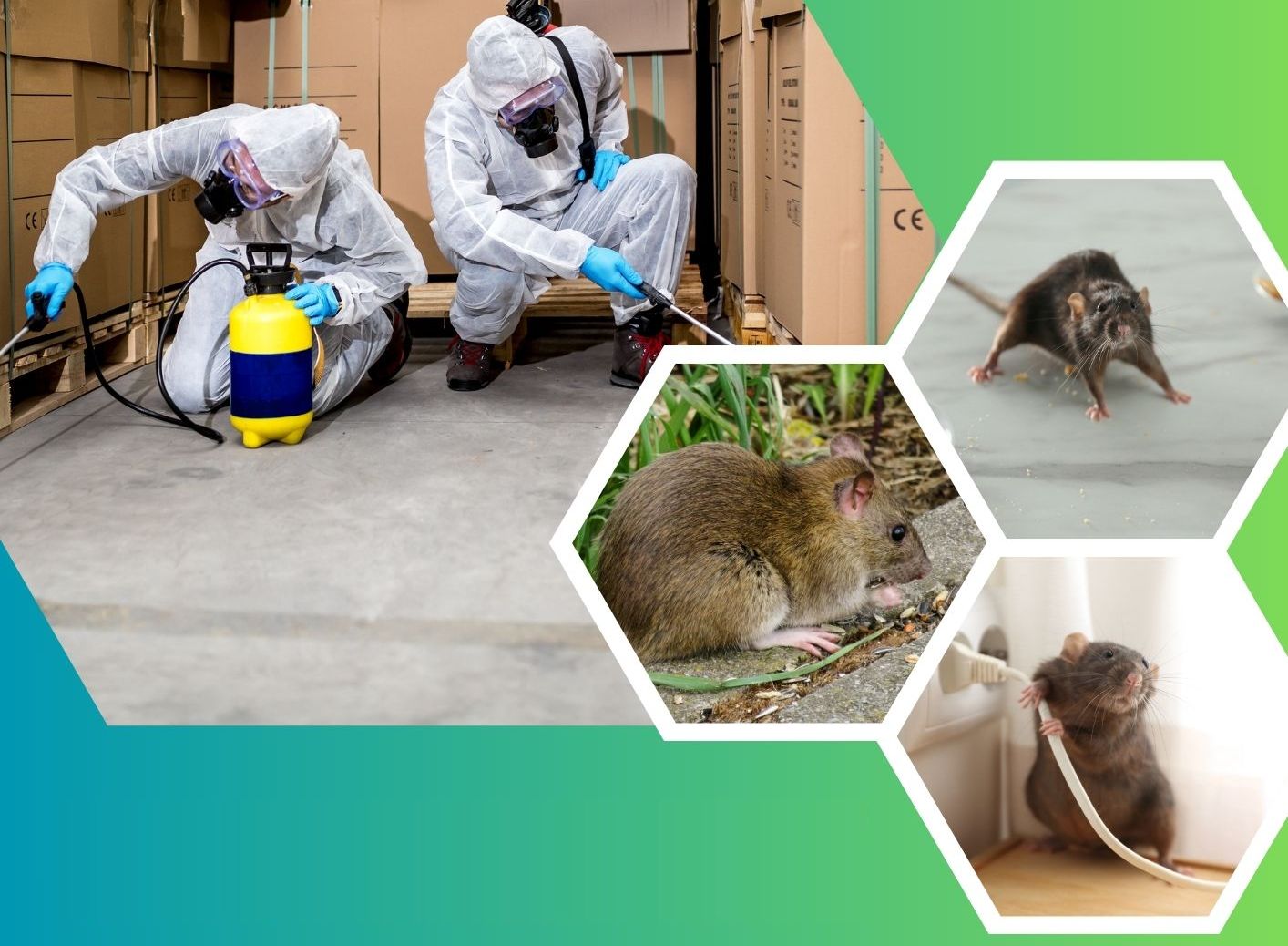
While many people seek chemical treatments for pest control, natural and DIY solutions offer effective alternatives that are often safer for both the environment and inhabitants. Homeowners can utilize ingredients like vinegar, essential oils, and baking soda to deter pests.
For instance, peppermint oil can repel spiders, while vinegar is effective against ants. Additionally, diatomaceous earth serves as a natural insecticide, targeting bed bugs and cockroaches.
Homemade traps using soap and water can catch fruit flies, while maintaining cleanliness and eliminating food sources can prevent infestations. These methods empower individuals to manage pests responsibly and sustainably in their homes.
What factors should homeowners consider when choosing chemical pest control products? First, they must evaluate the product's effectiveness against specific pests, ensuring it aligns with their needs. Safety is paramount; homeowners should assess toxicity levels, especially in households with children and pets.
Additionally, environmental impact plays a significant role; selecting eco-friendly options can mitigate harm to beneficial organisms. Homeowners should also consider application methods and necessary precautions, as some products require specialized equipment.
Finally, understanding the product's residual effect is essential for long-term pest management. By weighing these factors, homeowners can make informed decisions about chemical pest control solutions.
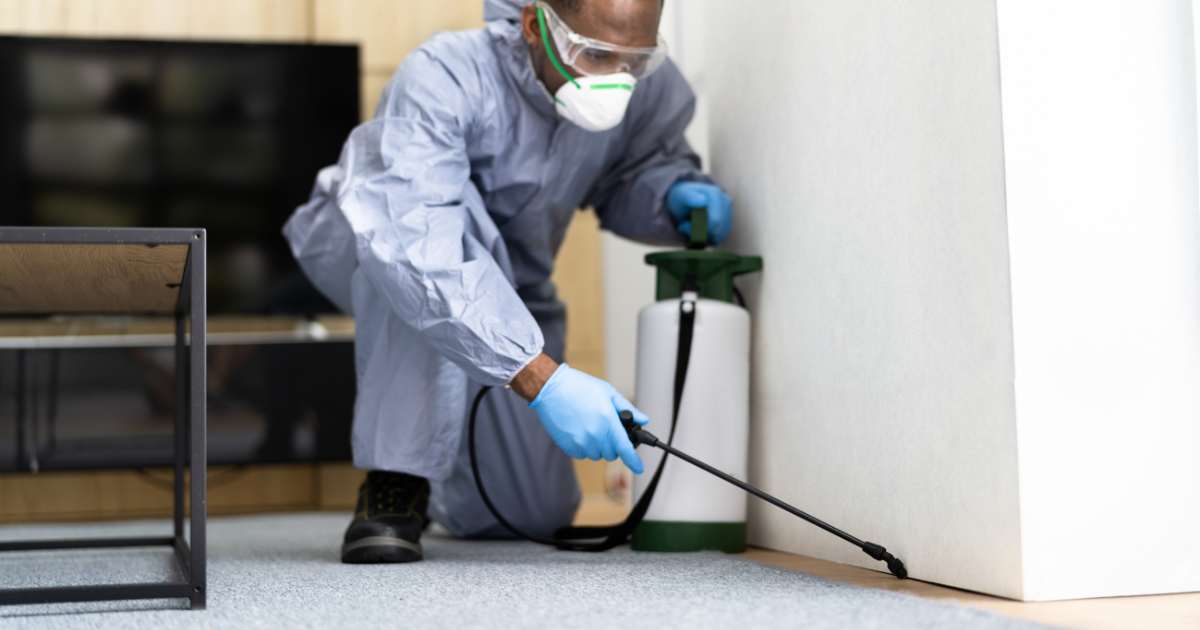
Homeowners may find themselves in situations where chemical pest control products are inadequate or inappropriate for their pest problems. Signs of a severe infestation, such as significant structural damage or health risks, often necessitate professional intervention.
Additionally, when pests return despite DIY efforts, it may indicate underlying issues that require expert evaluation. Homeowners should also consider calling professionals when dealing with hazardous pests, such as termites or rodents, which can pose serious threats.
Finally, those lacking the time or expertise to effectively manage pest issues should seek professional services to guarantee a thorough and safe approach to pest control.
To maintain a pest-free home year-round, it is essential to adopt a proactive approach that combines prevention and regular maintenance. Homeowners should begin by sealing cracks and crevices, ensuring that entry points for pests are minimized.
Regular cleaning, including the removal of food debris and clutter, further deters infestations. Additionally, routine inspections of basements, attics, and crawl spaces can identify potential pest issues early.
Implementing outdoor measures, such as proper landscaping and waste management, contributes to a less inviting environment for pests. By adhering to these practices consistently, homeowners can effectively reduce the likelihood of pest-related problems throughout the year.
The most common pests found in homes include ants, cockroaches, rodents, termites, and bed bugs. Ants often invade kitchens in search of food, while cockroaches thrive in warm, humid environments. Rodents can cause significant damage and pose health risks. Termites are notorious for silently damaging wooden structures, and bed bugs are known for infesting bedding and furniture, leading to discomfort and sleepless nights. Each pest presents unique challenges for homeowners seeking to maintain a pest-free environment.
Yes, essential oils can be effective for pest control. Common oils like peppermint, lavender, and tea tree can repel insects when diluted with water and sprayed in areas where pests are present. Additionally, diffusing these oils can help deter pests in enclosed spaces. It is important to reapply every few days for best results, and one should test surfaces for any potential adverse reactions before widespread application.
Pest control services can potentially harm pets if proper precautions are not taken. However, many professionals use pet-safe methods and products to minimize risks. It is crucial for pet owners to inform the pest control technician about their pets and follow any pre- and post-treatment guidelines provided. Keeping pets away from treated areas for the recommended time can help guarantee their safety while effectively addressing pest issues in the home.