Maintaining clean air ducts is an essential aspect of ensuring both indoor air quality and the efficiency of HVAC systems. While many homeowners may overlook this important service, the implications of neglecting air duct maintenance can be significant.
From identifying subtle signs of deterioration to understanding the extensive benefits of professional intervention, this discussion will outline the key elements that underscore the importance of regular maintenance.
As we explore the process and considerations involved, you may find yourself reconsidering the state of your own air ducts and their impact on your overall well-being.
Air duct maintenance is vital for ensuring ideal indoor air quality and energy efficiency in residential and commercial spaces. The air duct system plays a significant role in the circulation of air throughout a building, directly impacting the comfort of its occupants.
Moreover, well-maintained air ducts enhance the efficiency of heating and cooling systems. Blocked or dirty ducts can cause these systems to work harder, leading to increased energy consumption and higher utility bills. By ensuring that air ducts are clean and unobstructed, property owners can achieve better energy efficiency, ultimately reducing costs.
Additionally, routine inspections and maintenance can extend the lifespan of HVAC systems. Identifying and addressing potential issues early can prevent costly repairs and system failures. In conclusion, prioritizing air duct maintenance is essential for promoting a indoor environment, nd safeguarding the longevity of HVAC systems.
Recognizing the signs that indicate the need for air duct maintenance is essential for maintaining ideal indoor air quality and system efficiency. One of the most common indicators is the presence of excessive dust and debris in your home, which can suggest that your air ducts are clogged.
Another critical sign is inconsistent airflow. If certain rooms are not receiving adequate heating or cooling, this could be a result of blocked ducts. Additionally, an increase in energy bills without a corresponding change in usage can indicate that your HVAC system is working harder due to dirty or obstructed ducts.
Frequent allergies or respiratory issues among household members may also point to poor air quality related to duct problems. Finally, if you hear strange noises, such as rattling or whistling from your vents, it may be time to schedule professional maintenance.
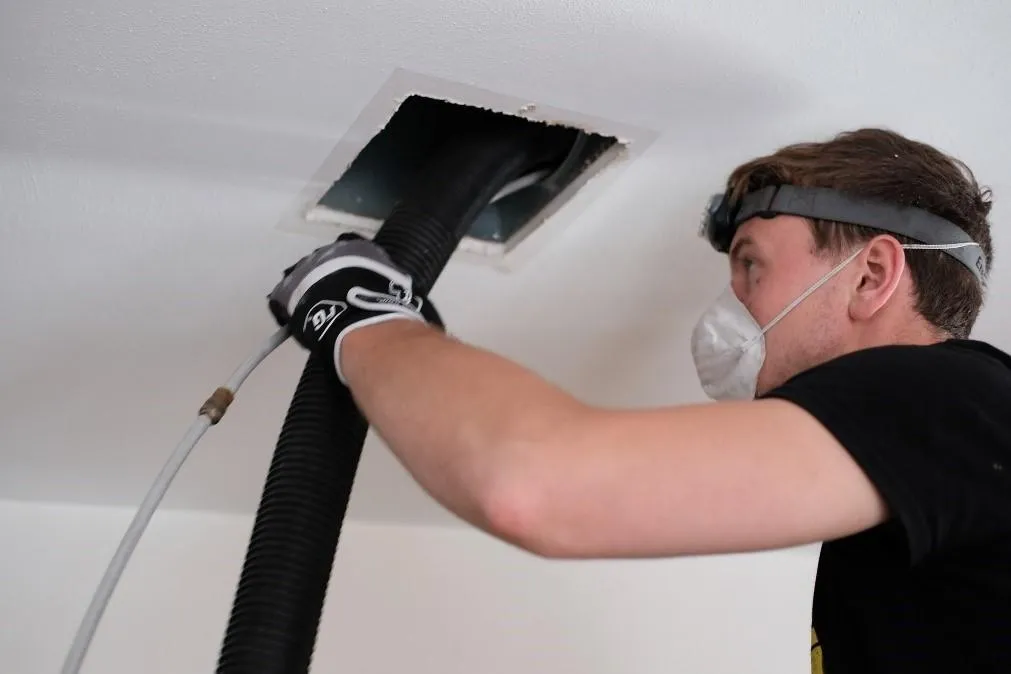
Engaging professional air duct maintenance services can greatly enhance the efficiency and longevity of your HVAC system. One of the primary benefits is improved air quality. Professionals utilize specialized equipment to thoroughly remove dust, allergens, and contaminants from your ductwork.
Additionally, regular professional maintenance optimizes system performance. Clean ducts facilitate smoother airflow, which can lead to reduced energy consumption and lower utility bills. When air ducts are clogged or dirty, HVAC systems must work harder, increasing wear and tear on components and potentially leading to costly repairs.
Moreover, professional services can help identify potential issues before they escalate, saving you from unexpected breakdowns and extended downtime. Certified technicians possess the expertise to spot deficiencies in your system and recommend appropriate solutions.
The maintenance process for air ducts involves a systematic approach designed to guarantee peak performance and cleanliness. Initially, a detailed inspection is conducted to assess the condition of the ducts. This inspection often includes checking for blockages, leaks, and the presence of contaminants such as dust, mold, or allergens.
Following the inspection, the cleaning phase begins. High-efficiency particulate air (HEPA) vacuums are employed to remove accumulated debris from the ducts. Specialized brushes and agitation tools may be used to dislodge stubborn particles, ensuring a thorough clean.
Post-cleaning, the maintenance process involves sealing any leaks identified during the inspection. This step is essential as it enhances system efficiency and reduces energy costs. Additionally, applying an antimicrobial treatment can help prevent future mold growth and bacterial contamination.
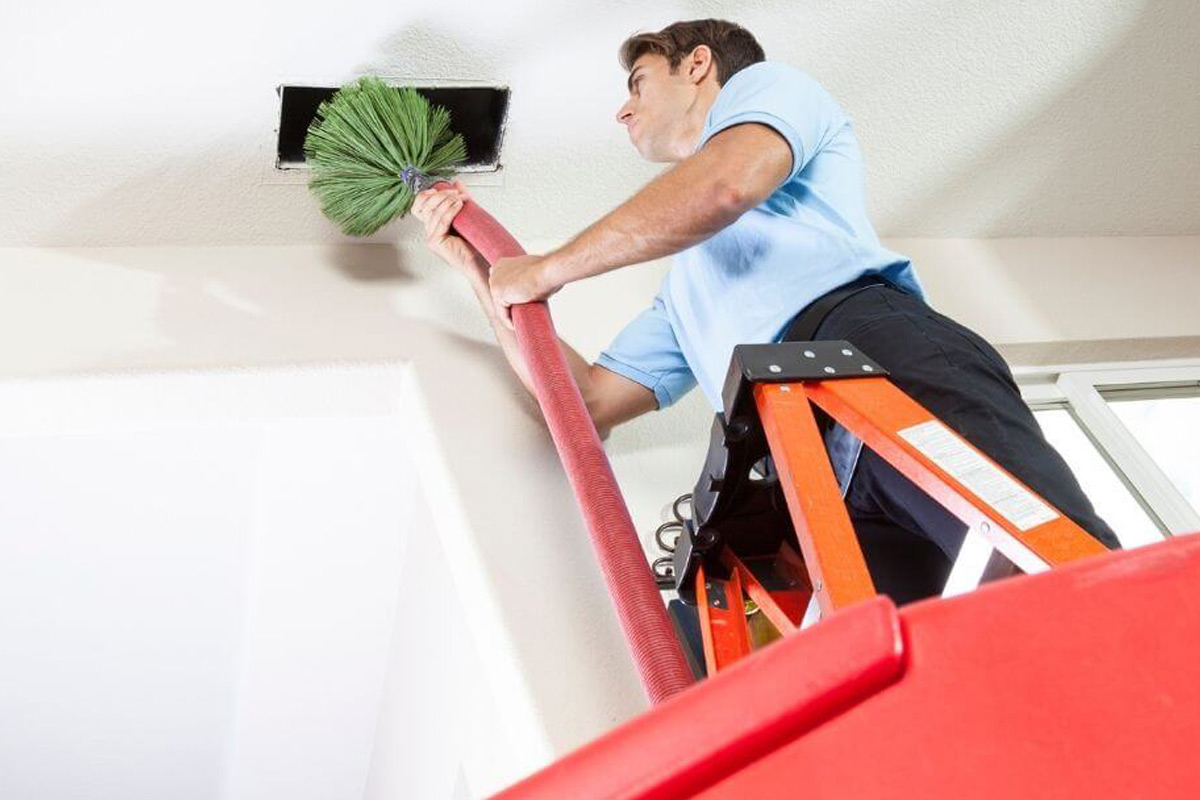
Selecting the right professionals for air duct maintenance is vital to guaranteeing effective and thorough service. When choosing a service provider, consider their qualifications, experience, and reputation within the industry. Look for companies that are certified by organizations such as the National Air Duct Cleaners Association (NADCA).
Additionally, it is imperative to evaluate the range of services offered. A reliable air duct maintenance professional should provide not only cleaning but also inspection, repair, and replacement services as needed. Inquire about the tools and techniques they use, as advanced equipment can greatly enhance the quality of the maintenance.
Customer reviews and testimonials can provide valuable insights into a company's reliability and service quality. Requesting references from past clients can also help gauge their satisfaction levels. Finally, obtaining multiple quotes allows for a comparative assessment of services and pricing, guaranteeing you make an informed decision.
Regular care and maintenance of your air duct system can greatly enhance its efficiency and longevity. To guarantee ideal performance, it is essential to implement a routine inspection schedule. Conduct visual checks every few months for any signs of dust accumulation or damage. Pay special attention to duct joints and connections.
Additionally, replace or clean air filters regularly, ideally every one to three months, depending on usage and dust levels in your environment. A clean filter promotes airflow and reduces strain on your HVAC system. Consider using high-efficiency particulate air (HEPA) filters for improved air quality.
Lastly, schedule professional cleanings and inspections at least every three to five years. This guarantees that your air duct system remains free of contaminants and operates at peak efficiency. By following these tips, you can greatly extend the lifespan of your air duct system and contribute to a healthier indoor environment.
The frequency of sanitizing your HVAC system depends on various factors, including usage, environmental conditions, and local air quality. Generally, it is advisable to perform sanitization at least once a year, ideally before the peak heating or cooling seasons. Additionally, if you experience increased respiratory issues, mold growth, or excessive dust accumulation, consider more frequent sanitization to guarantee ideal air quality and system efficiency. Regular maintenance further enhances the longevity of your HVAC system.
For effective DIY vent cleaning, several tools are recommended. A vacuum cleaner with a hose attachment is essential for removing debris. A soft brush or vent cleaning brush can dislodge dust from the vent surfaces. Additionally, a microfiber cloth can be used for final wiping. For hard-to-reach areas, a flexible cleaning rod is beneficial. Always guarantee safety by turning off the HVAC system before beginning the cleaning process to prevent accidents.
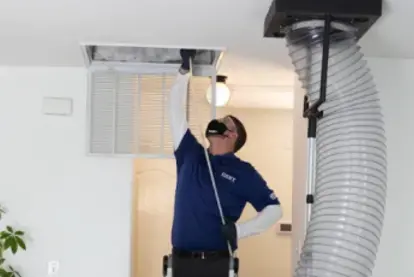
In addressing the tools utilized in air duct maintenance, professionals typically employ specialized equipment to guarantee thorough cleaning and inspection. Key tools include high-powered vacuums equipped with HEPA filters to capture dust and allergens, rotary brushes for scrubbing duct surfaces, and cameras for visual inspection of duct interiors. Additionally, technicians may use pressure gauges and airflow meters to assess system performance and efficiency, ensuring peak operation and maintaining indoor air quality standards.