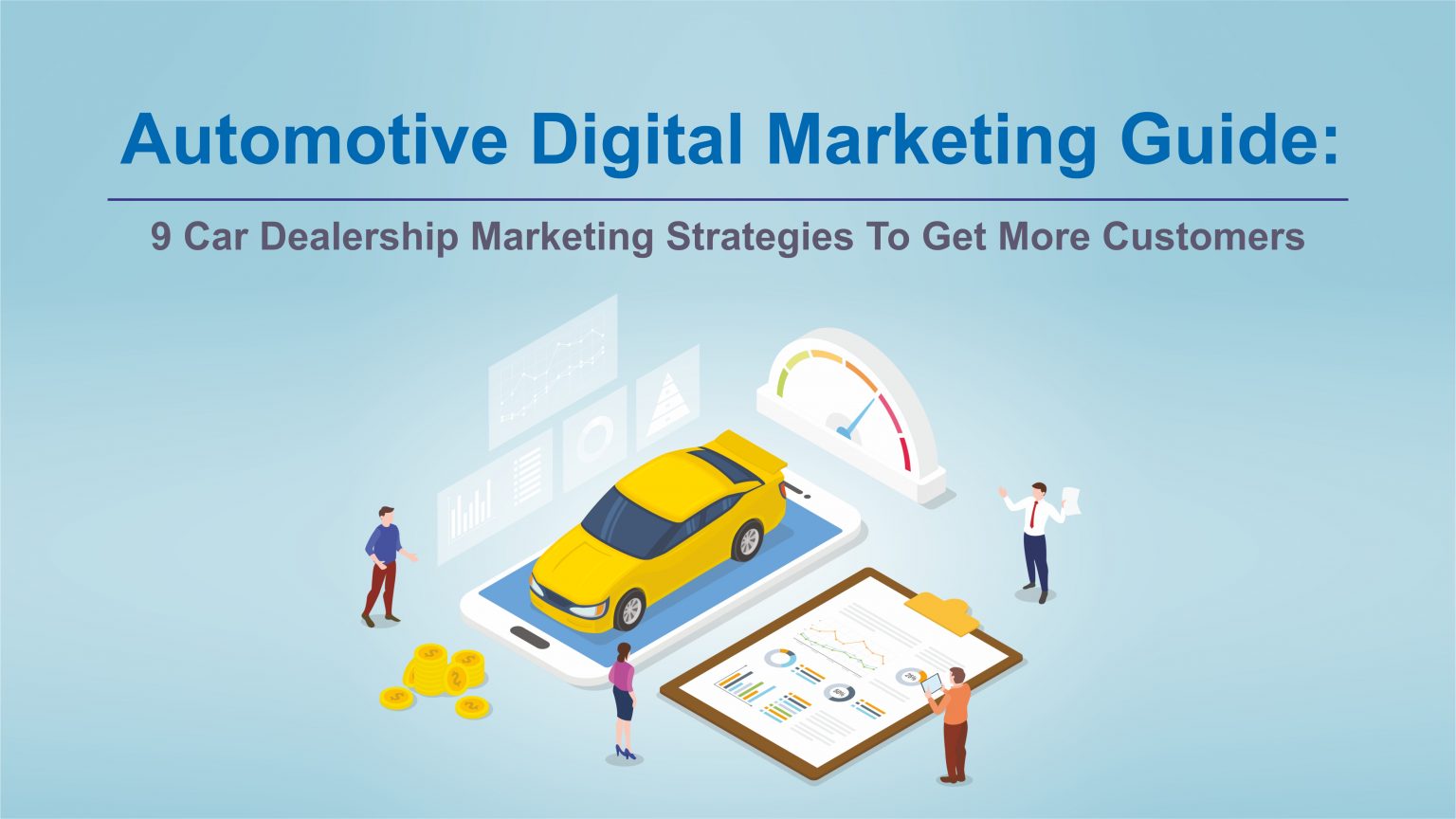
Transforming automotive dealership marketing requires a strategic approach. Successful dealerships utilize a blend of digital marketing, social media, and personalized communication.
They recognize the importance of SEO and targeted advertising in attracting potential buyers. Engaging content on social media and effective video marketing can enhance customer trust.
However, the journey does not end there. Several proven tactics can further elevate a dealership's presence and profitability. What are these tactics?
Automotive dealerships increasingly recognize the importance of digital marketing strategies in today's competitive landscape. By adopting techniques such as search engine optimization (SEO), content marketing, and targeted online advertising, dealerships can enhance their visibility and attract potential customers.
Websites must be user-friendly, featuring high-quality images and detailed vehicle descriptions to engage visitors effectively. Additionally, email marketing campaigns can nurture leads and keep customers informed about promotions.
Analytics tools enable dealerships to track their performance and refine their strategies, ensuring they reach the right audience. Overall, embracing digital marketing is essential for dealerships aiming to thrive in a rapidly evolving market.
Harnessing the power of social media engagement can greatly enhance a dealership's marketing efforts. By actively interacting with customers on platforms like Facebook, Instagram, and Twitter, dealerships can foster relationships and build community.
Sharing engaging content, such as vehicle showcases, customer testimonials, and behind-the-scenes insights, attracts potential buyers and encourages sharing. Utilizing polls, Q&A sessions, and live videos can further enhance interaction, making followers feel valued.
Additionally, monitoring comments and messages allows dealerships to address inquiries promptly, demonstrating exceptional customer service. Overall, strategic social media engagement not only boosts brand visibility but also drives customer loyalty and sales.
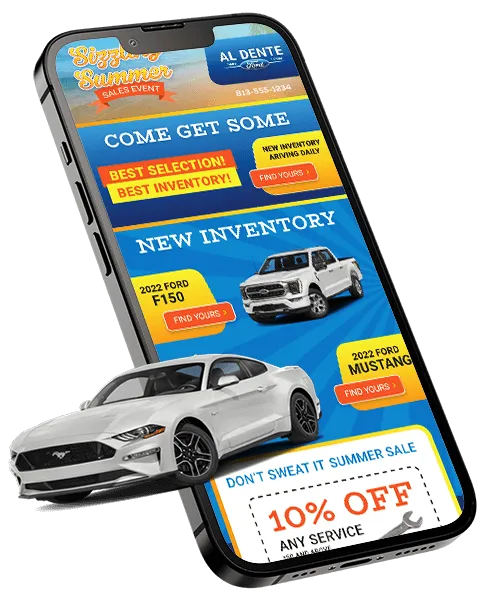
Targeted email campaigns can considerably boost a dealership's marketing effectiveness by reaching specific customer segments with tailored messages. By segmenting their email lists based on factors such as demographics, purchase history, and interests, dealerships can create personalized content that resonates with recipients.
This approach increases engagement rates and fosters customer loyalty. Additionally, targeted campaigns can promote special offers, new inventory, or service reminders, ensuring that relevant information reaches the right audience.
Utilizing analytics to track campaign performance enables dealerships to refine their strategies and enhance future communications, ultimately leading to improved sales and customer satisfaction.
Engaging customers through targeted email campaigns lays a strong foundation for further marketing strategies, including the effective use of video marketing. Automotive dealerships can leverage video content to showcase inventory, highlight customer testimonials, and provide virtual tours.
This visual medium enhances storytelling, making it easier for potential buyers to connect with the brand. Short, informative videos can be shared across social media platforms, attracting attention and driving engagement.
Additionally, live streaming events or Q&A sessions can foster real-time interaction with customers. By utilizing video marketing effectively, dealerships can increase visibility, build trust, and ultimately drive sales.

As potential customers increasingly turn to the internet for their automotive needs, optimizing a dealership's website becomes essential for attracting and retaining buyers. A user-friendly design, fast loading times, and mobile responsiveness enhance the browsing experience.
Clear navigation and intuitive layouts help visitors find information quickly, increasing the likelihood of conversion. High-quality images and detailed descriptions of vehicles are vital for showcasing inventory effectively. Integrating search engine optimization (SEO) strategies improves visibility on search engines, driving more traffic.
Additionally, incorporating chat features can facilitate communication, addressing customer inquiries in real-time and ultimately fostering trust and engagement with the dealership.
Building a strong online presence is only one aspect of a successful automotive dealership; fostering community involvement can greatly enhance brand loyalty and customer relationships. Engaging in local events, such as car shows or charity fundraisers, allows dealerships to connect with their community on a personal level.
Sponsoring local sports teams or hosting educational workshops can also demonstrate commitment to the area. By creating opportunities for customers to interact with the dealership beyond traditional sales, businesses can build trust and rapport.
Ultimately, community involvement not only strengthens brand perception but also drives traffic to the dealership, leading to increased sales and customer retention.
Hiring outside help for marketing campaigns can be a strategic decision. It allows businesses to leverage expert knowledge, fresh perspectives, and specialized skills that may not be available in-house. This can lead to more innovative and effective marketing strategies. However, it is essential for the business to assess its budget, goals, and the potential return on investment before making this choice. Ultimately, the decision should align with the overall objectives of the organization.
The best social media platform for a dealership largely depends on its target audience. Facebook offers extensive reach and diverse advertising options, making it suitable for a wide demographic. Instagram, with its visual focus, appeals to younger consumers and is ideal for showcasing vehicles. Meanwhile, LinkedIn can be effective for B2B interactions and partnerships. Ultimately, a combination of platforms may yield the best results, allowing for varied engagement strategies tailored to different customer segments.
To measure the effectiveness of marketing strategies, one can utilize key performance indicators (KPIs) such as conversion rates, customer engagement, and return on investment (ROI). Tracking metrics through analytics tools enables dealerships to assess campaign performance. Additionally, conducting customer surveys provides qualitative feedback. Regularly reviewing these metrics allows for timely adjustments, ensuring strategies align with objectives. Ultimately, a combination of quantitative data and customer insights offers a thorough evaluation of marketing effectiveness.